What Is Light Hydrocarbon? Properties, Types and Applications
مدیر سایت
23 July 2026
1 min read 58 views
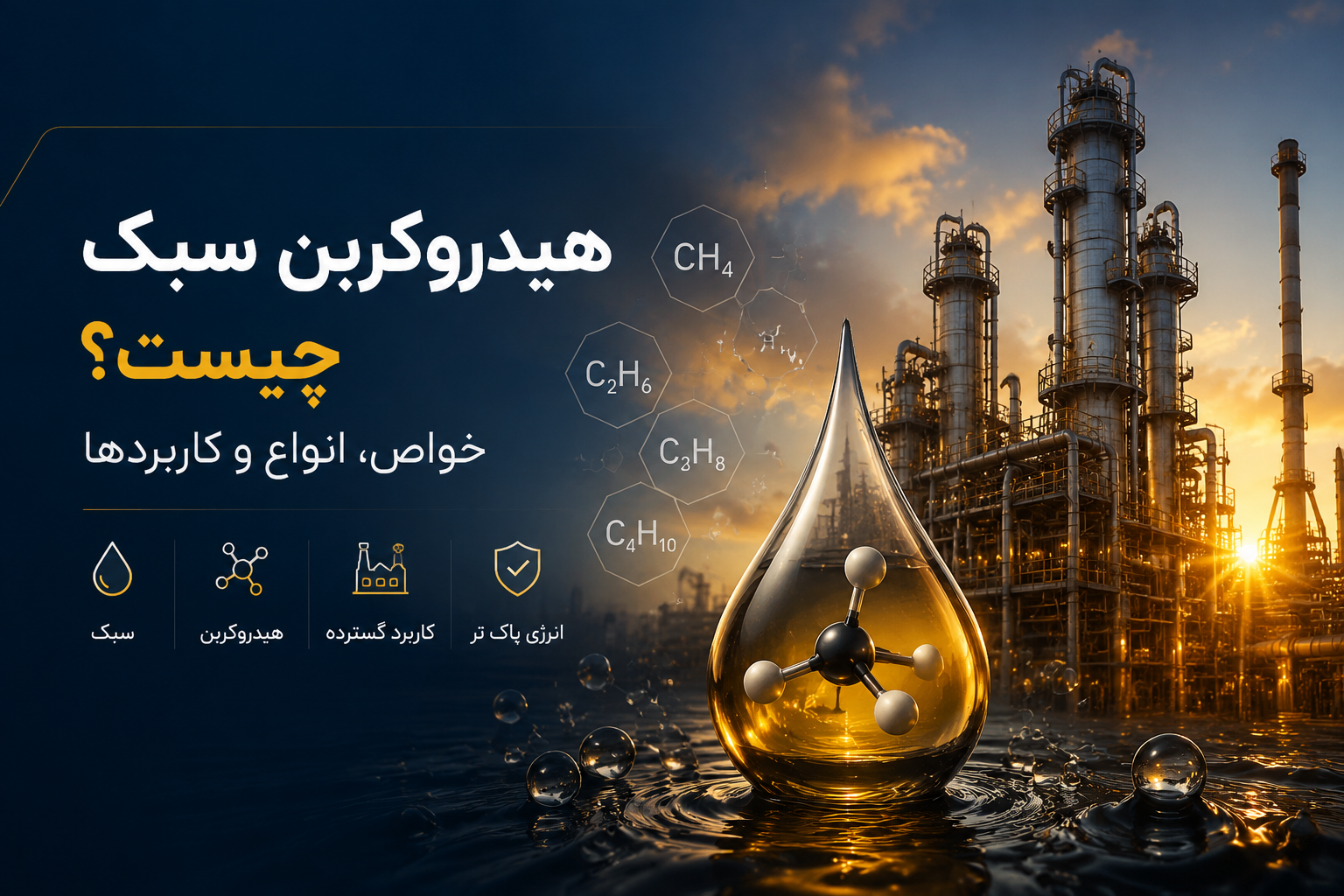
Light hydrocarbon refers to a group of petroleum derivatives made up of short carbon chains (roughly C5–C12), with a density below 0.8 g/cm³. These compounds are colorless, volatile and have a low boiling point.
Types of Light Hydrocarbon
The most important examples include naphtha, light refinery cuts and certain industrial solvents. Naphtha is one of the best-known types of light hydrocarbon.
Main Applications
- Solvent and thinner in the paint, lacquer and thinner industries
- Raw material in petrochemicals and resin production
- Feedstock for ethylene and propylene units
- Cleaning solvent across many industries
Because of its wide range of uses and economic importance, light hydrocarbon is one of the most in-demand petroleum derivatives on the industrial market.
Related articles
Hydrocarbons & Solvents
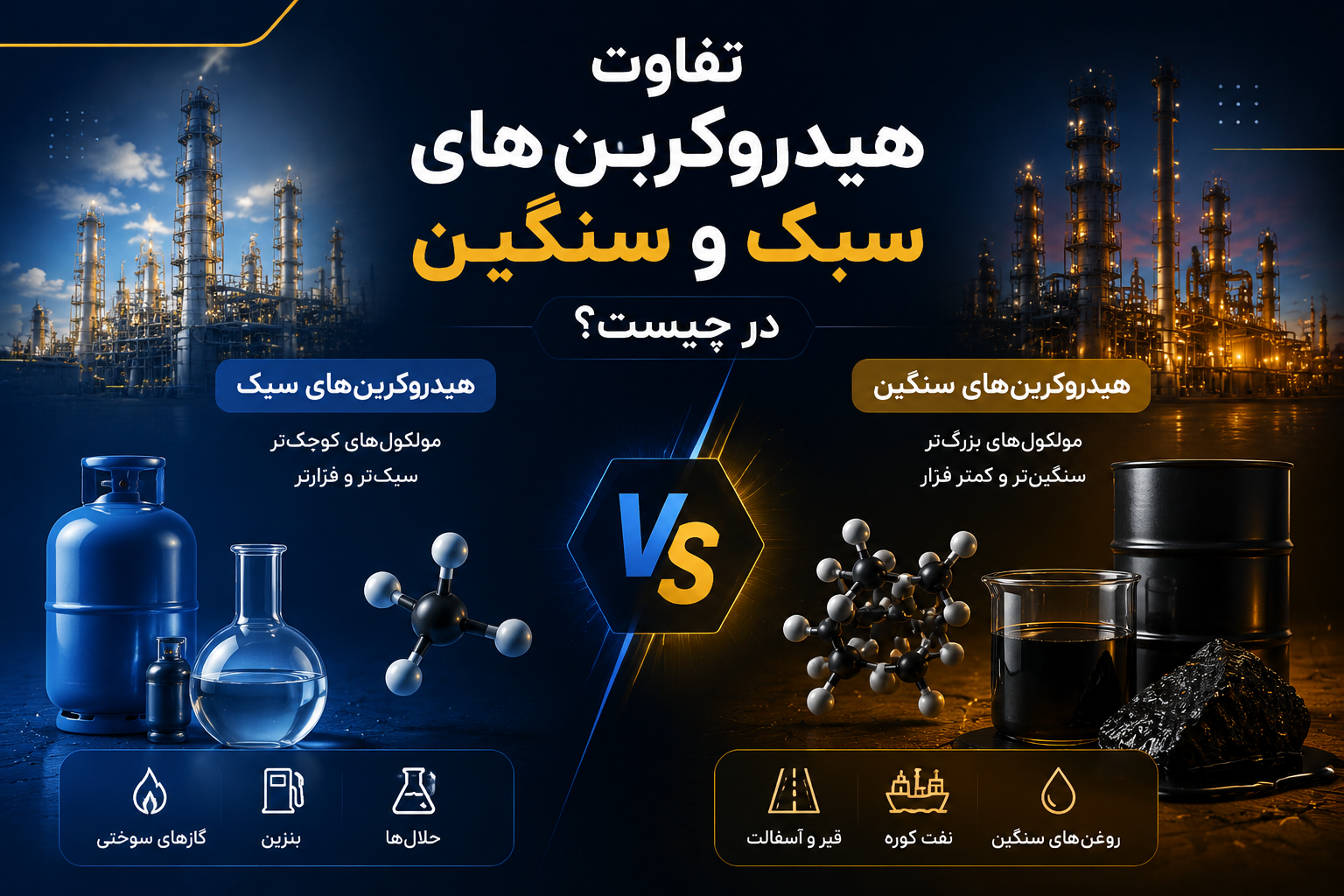
What Is the Difference Between Light and Heavy Hydrocarbons?
Comparing the density, boiling point and applications of light and heavy hydrocarbons.
20 July 2026
1 min read