Managing Volatile Organic Compounds (VOCs) and Environmental Considerations in Hydrocarbon Solvent Use
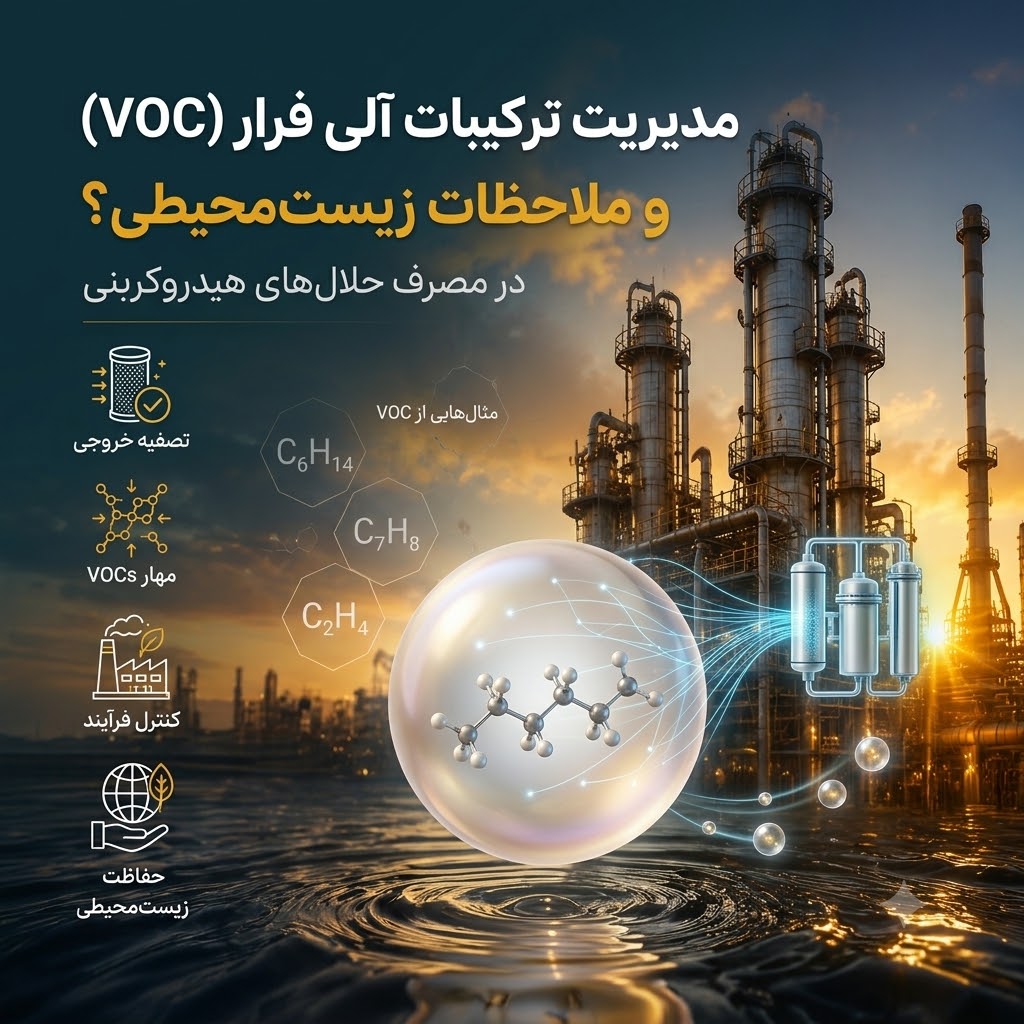
Because they evaporate easily, light hydrocarbon solvents belong to the family of volatile organic compounds, or VOCs. Understanding and properly managing them is essential both for worker health and for meeting environmental requirements.
What are volatile organic compounds (VOCs)?
VOCs are organic compounds that evaporate readily at ambient temperature and enter the air. Their uncontrolled emission can affect air quality and health.
Ways to reduce emissions in the workplace
- Use a proper ventilation and local-exhaust system
- Keep solvent in closed, well-sealed containers
- Choose lower vapour-pressure grades where possible
- Avoid unnecessary spillage and evaporation during transfer
Correct storage
Store solvents away from heat and spark sources, in a cool, ventilated warehouse. Correct labelling and material compatibility reduce evaporation and potential hazards.
Compliance and environmental responsibility
Respecting emission limits, recording consumption and recovering vapour in large processes are part of an industry's environmental responsibility. Choosing the right solvent and managing usage cut both cost and environmental impact.
Conclusion
By understanding VOCs and applying ventilation, correct storage and the right grade, hydrocarbon solvent use can be made safer and more environmentally friendly. The Caspian Ferdows Iranian technical team can help you select a low-emission grade.